The recent death of a porter on the Inca Trail is a tragedy.
A human being lost his life. A family lost a father, a son, a brother, a husband, a friend. The pain caused by this loss should never be minimized, and there must be a serious and honest investigation into what happened and what can be done to prevent another tragedy.
Since his death, many people, institutions, tourism organizations, and companies have apparently expressed their solidarity with porters.
Suddenly, everyone seems concerned.
Suddenly, everyone is talking about exploitation.
Suddenly, everyone is talking about mistreatment.
Suddenly, everyone wants to defend the porter.
But I believe we need to ask a much deeper question:
Why now? And what is really behind some of this sudden concern?
Because some people have had another idea in mind for a long time. And there is a real danger that this tragedy could now be used to push that agenda forward.
Is the Goal Really to Protect Porters—or to Eliminate Their Jobs?
For years, there have been ideas and projects involving the construction of tourist cabins and permanent accommodation along the Inca Trail.
On the surface, such projects may be presented as development, modernization, improved infrastructure, or even better conditions for tourists and workers.
But we need to think about what such a transformation could mean.
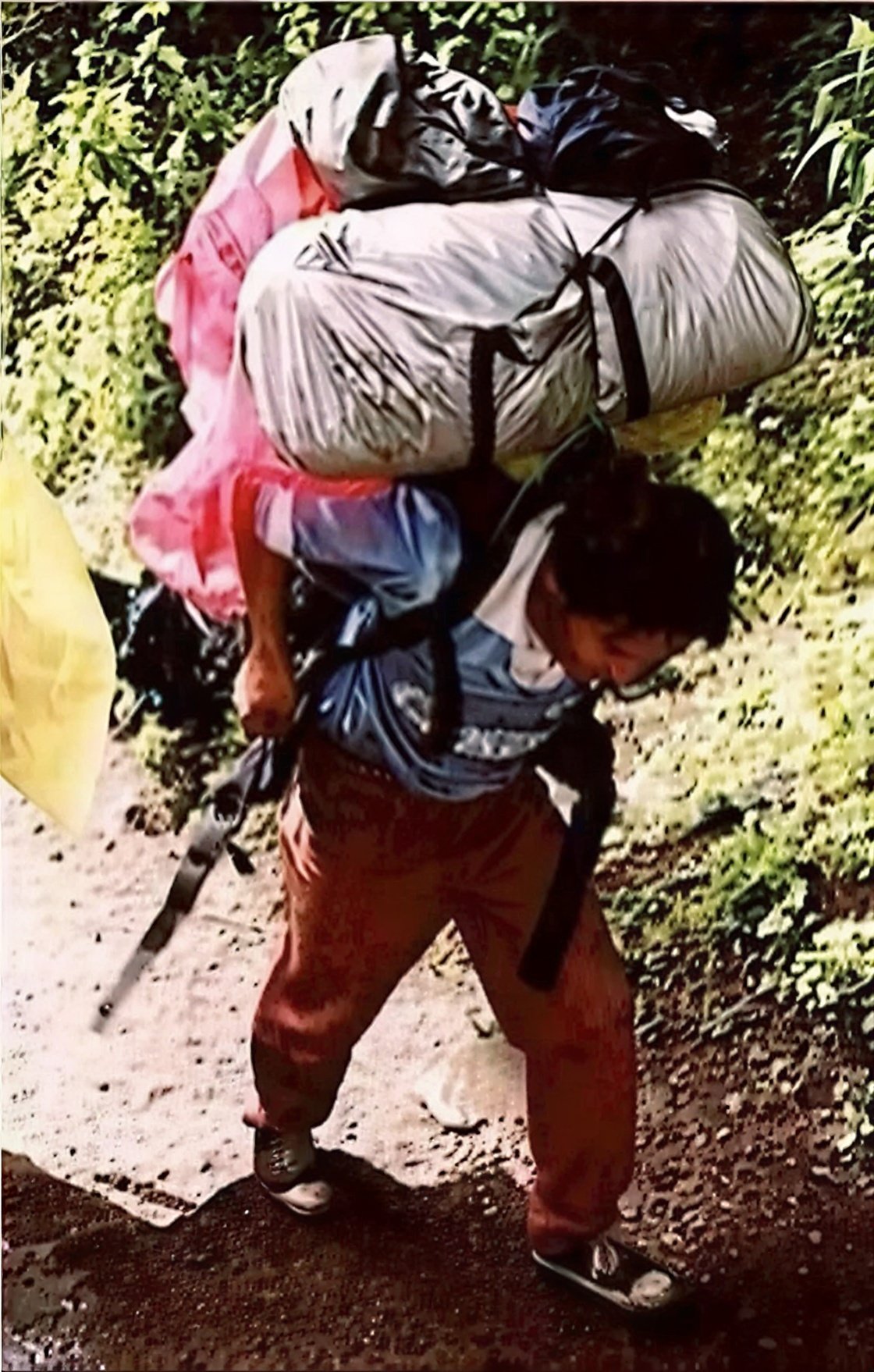
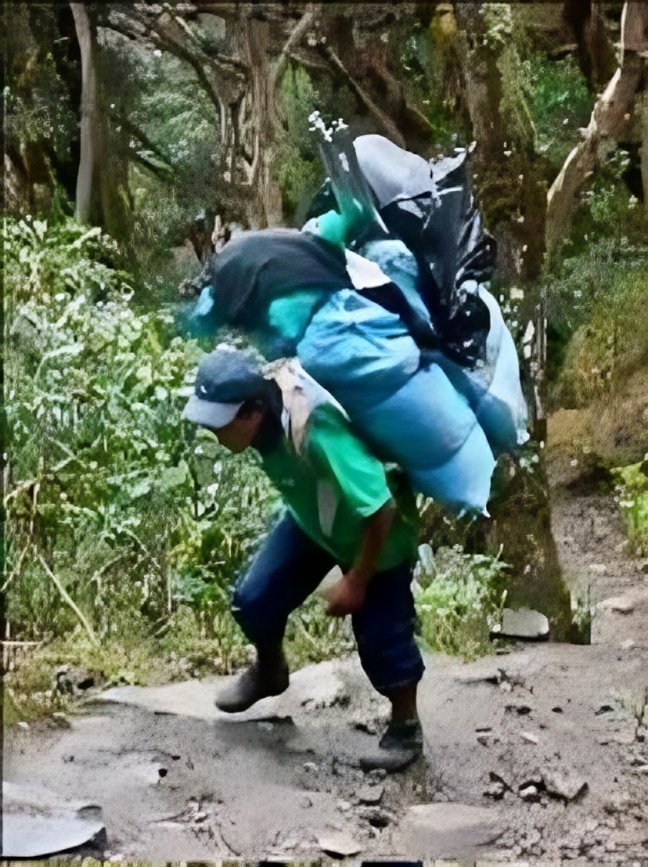
The porter system exists because the Inca Trail operates as a trekking route. Porters are an essential part of that experience. They carry equipment, prepare camps, transport food and supplies, and make it possible for thousands of visitors to experience the trail every year.
What happens if cabins, permanent tourist facilities, and a completely different infrastructure replace the current trekking system?
What happens to the porters?
The answer is simple: thousands and thousands of people could lose their jobs.
A system that currently provides employment to a large number of families could gradually disappear.
And who would benefit?
Would it be the porter?
Would it be the communities?
Or would the benefits eventually be concentrated in the hands of a few wealthy groups with enough money and influence to control accommodation, services, and infrastructure along one of the most valuable tourism routes in the world?
That is the concern.
A small number of powerful groups could eventually take control of the business.
What is now a tourism economy that provides work to thousands of porters, cooks, guides, transport workers, and local families could become concentrated in the hands of a few.
That would not be progress for everyone.
It could become a monopoly.
And this is why we should be extremely careful when we hear people use this tragedy to argue that the porter system itself must disappear.
Yes, there are problems.
Yes, there are companies that need to improve.
Yes, porters deserve better working conditions, better equipment, stronger protections, and greater respect.
But improving the lives of porters is not the same as eliminating their work.
The solution to exploitation is not unemployment.
The solution is to eliminate exploitation—not the porter.
Some May See This Tragedy as an Opportunity
This is what worries me.
Some people, institutions, and companies may be using the legitimate anger generated by this tragedy to push an agenda that has existed long before this accident.
They will say that porters are exploited.
They will say that porters are mistreated.
They will say that the entire system is unacceptable.
And then, little by little, they may propose a different model—one involving permanent tourist cabins and infrastructure along the Inca Trail.
But we must ask:
Who will own those cabins?
Who will control those facilities?
Who will receive the profits?
And where will the thousands of porters go?
If the answer is that a few wealthy groups will take control of the business while thousands of working families lose their livelihoods, then we are not talking about social progress.
We are talking about replacing thousands of workers with a business model controlled by a few.
That is why this debate must be approached with honesty.
The death of a porter cannot become a convenient excuse to destroy the livelihood of thousands of other porters.
My Support for Porters Did Not Begin With This Tragedy
This is also important to make clear.
My support for porters is not something that began after this accident.
It did not begin because public opinion suddenly became interested in their lives.
I have been speaking about porters and standing with them for many years.
In fact, I was a porter myself.
In 1992, 1993, and 1994, I worked as a porter.
I know what the work involves.
I know the physical effort.
I know what it means to carry weight along difficult trails.
I know the camps, the weather, the exhaustion, and the reality behind the beautiful photographs that tourists take home.
That experience has never left me.
And it is one of the reasons why my support for porters has always been genuine.
I want porters to have better lives.
I want their children to have opportunities.
I want their families to live with dignity.
I want them to be respected as workers and as human beings.
I Was There When Porters Protested
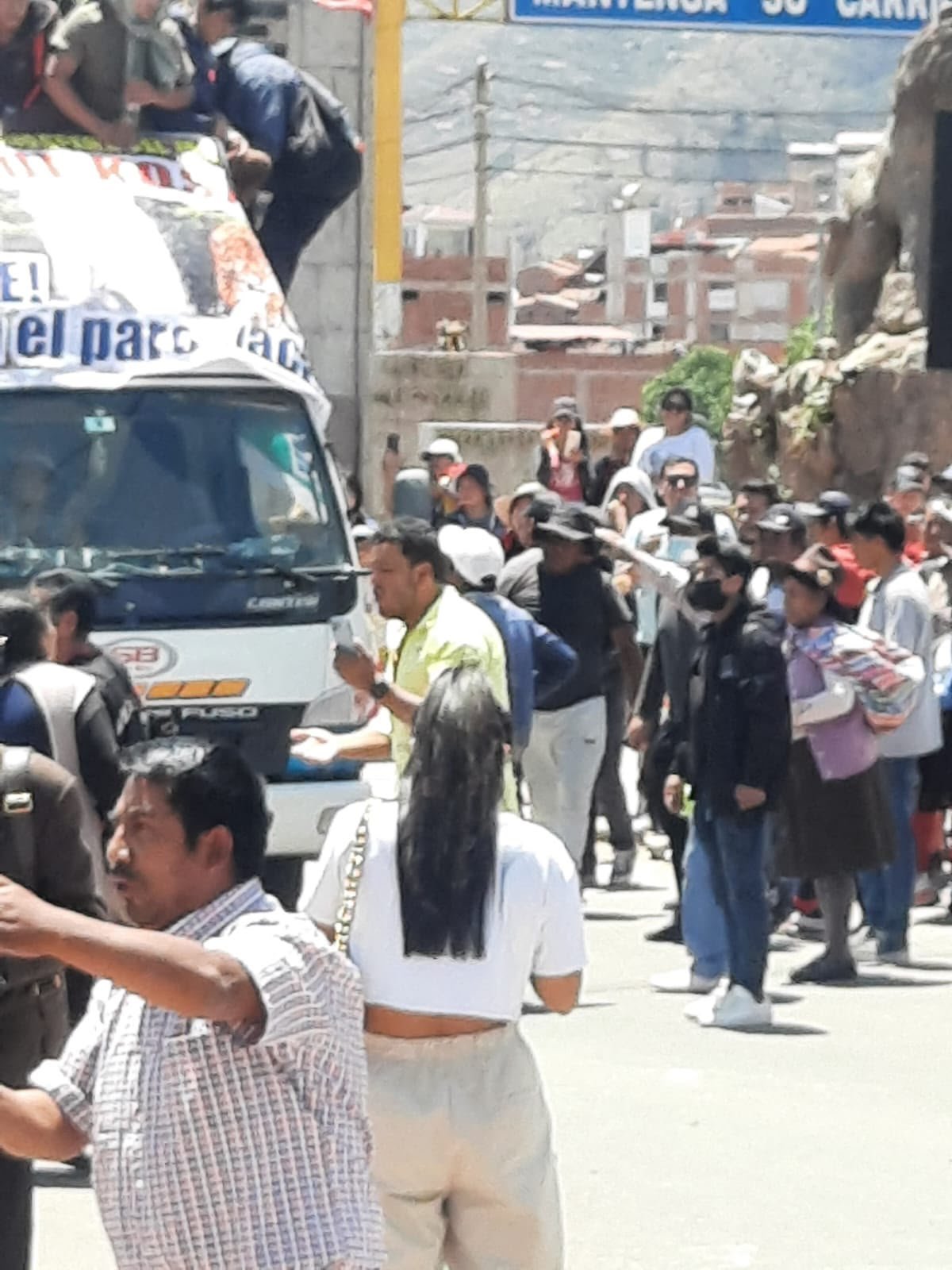
The clearest evidence of my position can be found in 2022 and 2023.
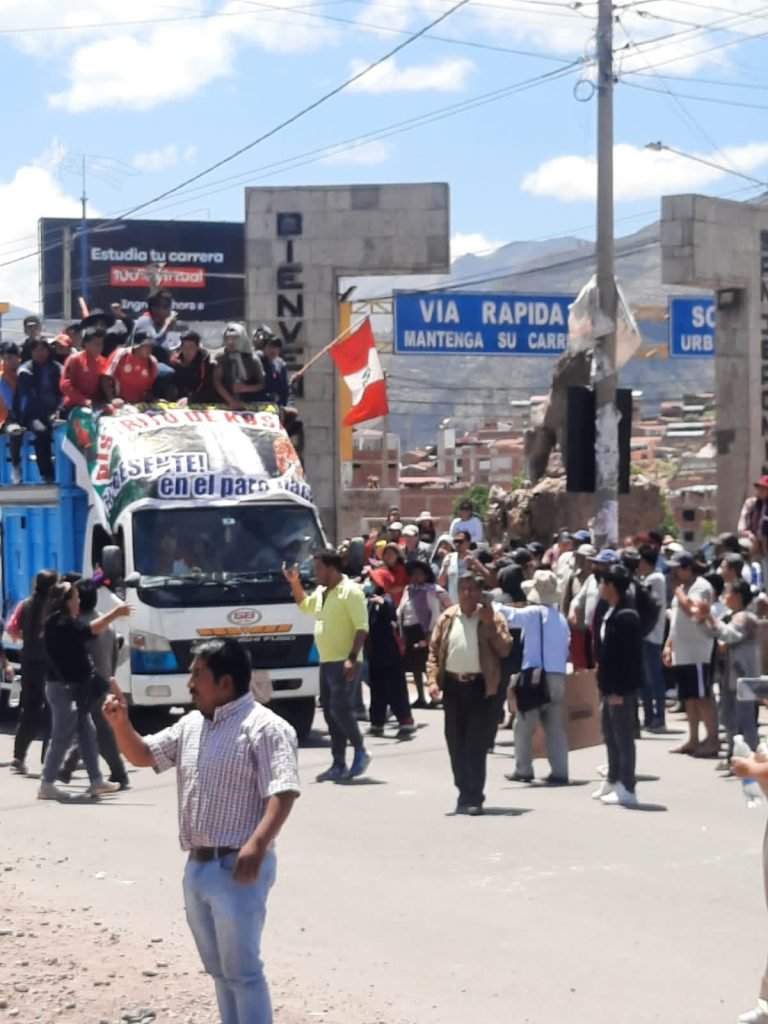
During the protests, I personally went out into the streets.
I marched.
I protested.
And during those days, I met many of my own porters in the demonstrations. I also met many porters working for other travel companies.
They were there.
They were protesting.
They were demanding change.
They were demanding better lives for themselves, their families, and their communities.
And I stood with them.
I did not suddenly discover my concern for porters after a tragedy.
I was there when they were alive, walking through the streets and demanding to be heard.
That distinction matters.
I Was Also Put on a Blacklist
My support for porters, farmers, rural communities, and people with the least did not come without consequences.
I was placed on a blacklist.
I was persecuted.
I was called a terrorist.
My home was watched day and night, and my communications were intercepted.
My position was never about supporting terrorism or violence.
My position was about supporting the right of people to demand a better life.
I stood with porters.
I stood with farmers.
I stood with rural communities.
I stood with people who have the least and whose voices are often ignored.
And for doing that, I paid a price.
That is why I find the current situation deeply ironic.
People who were willing to stigmatize protesters, call them terrorists, or remain silent when they were persecuted are now suddenly presenting themselves as defenders of porters.
Forgive me if I ask difficult questions.
Forgive me if I am skeptical.
I have seen what happens when people support vulnerable communities when it is not fashionable or convenient.
I Raised Concerns Before This Accident
And this is perhaps the most important evidence of all.
My concern about the treatment of porters did not begin after this tragic accident.
Only a couple of months before this porter lost his life, I sent a formal letter to the authority responsible for overseeing and controlling the Inca Trail.
In that letter, I raised serious concerns about the way porters were being treated by the institution and by park rangers along the Inca Trail.
I stated clearly that porters were being mistreated and humiliated.
This was not written after someone died.
This was written before the accident.
The letter was sent approximately two months before this tragedy.
We never received a response.
No explanation.
No acknowledgement.
No action that we were made aware of.
But the evidence remains.
The letter exists.
The photographs exist.
And readers can see the evidence and photographs at the end of this article.
This is important because it demonstrates something very simple:
My concern for porters did not begin when it became convenient to talk about them.
I was already raising concerns.
I was already asking questions.
I was already demanding respect.
And I was doing so before this tragedy occurred.
Where Was Everyone Else Then?
This is an uncomfortable question, but it needs to be asked.
Where were those who now present themselves as defenders of porters when hundreds of porters were in the streets in 2022 and 2023?
Where were they when protesters were being called terrorists?
Where were they when people died during the protests?
Where were they when people were arrested?
Where was their solidarity when vulnerable people needed support while they were alive?
Some of the people and institutions that today speak about solidarity were associated with a sector that became publicly known in Cusco as the white shirts.
Many people remember the positions taken by that sector during the protests.
That history cannot simply be erased because a tragedy has created a new opportunity to issue statements and appear concerned.
Memory matters.
Consistency matters.
You cannot stigmatize people when they protest and then suddenly claim to be their greatest defender when tragedy strikes.
The Answer Is Better Conditions—Not the Elimination of Porters
Let us be absolutely clear.
Porters deserve better conditions.
They deserve proper clothing and equipment.
They deserve protection from extreme weather.
They deserve adequate food and rest.
They deserve fair wages.
They deserve insurance.
They deserve reasonable loads.
They deserve respect from tourism companies, authorities, rangers, guides, and tourists.
They deserve to be treated as human beings.
There should be stronger oversight.
There should be consequences for companies that abuse workers.
There should be consequences when authorities mistreat or humiliate porters.
There should be serious and independent investigations when a porter is injured or dies.
All of this must happen.
But eliminating the porter system is not the answer.
If thousands of porters lose their jobs while a few wealthy investors take control of tourist cabins and permanent infrastructure along the trail, then we have not solved the problem.
We have simply replaced one problem with another—and perhaps created a much bigger one.
We must improve the work. We must not destroy the worker’s livelihood.
The Problem Is Bigger Than the Porter
The porter is part of a much larger reality in Peru.
We are talking about farmers struggling to survive.
Rural communities without access to basic services.
Teachers working under difficult conditions.
Agricultural workers.
Cattle farmers.
Families in the coast, the Andes, and the Amazon who still lack things that should be basic rights.
Clean water.
Sanitation.
Electricity.
Decent housing.
Good schools.
Hospitals.
Health clinics.
Dignified work.
The problem is not only the porter.
The problem is a system that has allowed millions of Peruvians to continue living in poverty and precarious conditions.
That is why supporting porters means more than publishing a statement after someone dies.
It means caring about their lives every day.
Real Solidarity Means Standing With People While They Are Alive
The death of this porter should lead to serious reflection.
It should lead to an honest investigation.
It should lead to better working conditions.
It should lead to accountability.
But it should not be exploited.
It should not become a public relations campaign.
And it should not become an excuse to push a business model that could leave thousands of porters unemployed while concentrating the economic benefits of the Inca Trail in the hands of a few.
We need to ask difficult questions now, before decisions are made in the name of protecting workers.
Because sometimes, policies presented as protection can end up harming the very people they claim to help.
My position is clear.
I have been a porter.
I have marched alongside porters.
I have supported their protests.
I have been persecuted and placed on a blacklist for standing with people who demanded change.
I raised concerns about the mistreatment and humiliation of porters before this tragedy occurred.
My support did not begin with a death.
And it will not end with a statement.
Porters deserve better lives.
They deserve better working conditions.
They deserve respect.
They deserve dignity.
But they also deserve the right to work.
And no one should be allowed to use the death of one porter as an excuse to take the work away from thousands of others.
The solution is not to eliminate the porter.
The solution is to eliminate exploitation, abuse, humiliation, and unsafe working conditions—while protecting the livelihoods of the thousands of families who depend on this work.
At the end of this article, we are sharing photographs and documentation related to the concerns we formally raised about the treatment of porters along the Inca Trail before this tragic accident.
The evidence was there before this death.
The questions were already being asked.
And that is precisely why we must make sure that this tragedy leads to genuine change—not opportunism, not monopolies, and not the disappearance of the livelihoods of thousands of porters.